

Water Mitigation in Spokane, WA
Spokane's basements are particularly vulnerable during spring snowmelt and heavy seasonal rainfall, when rapid water intrusion can damage foundations and living spaces across neighborhoods like South Hill and Browne's Addition. Water mitigation addresses this risk by removing standing water, managing moisture, and preventing further damage before mold and structural problems develop. Ritter Water Damage Restoration connects you with local restoration providers who respond quickly to minimize the cost and disruption to your home.
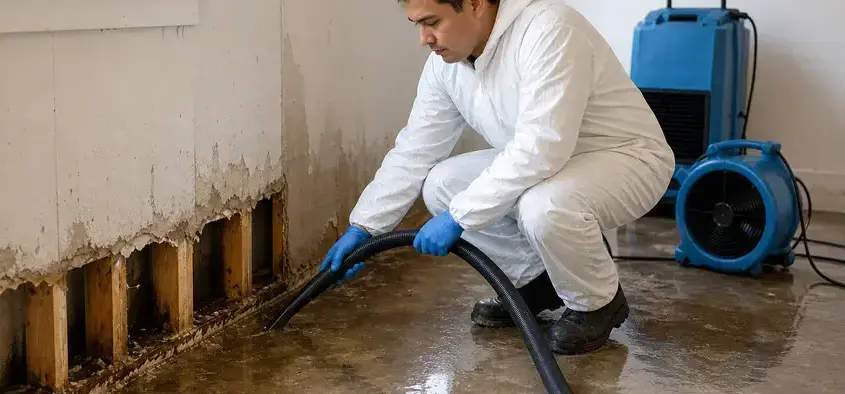
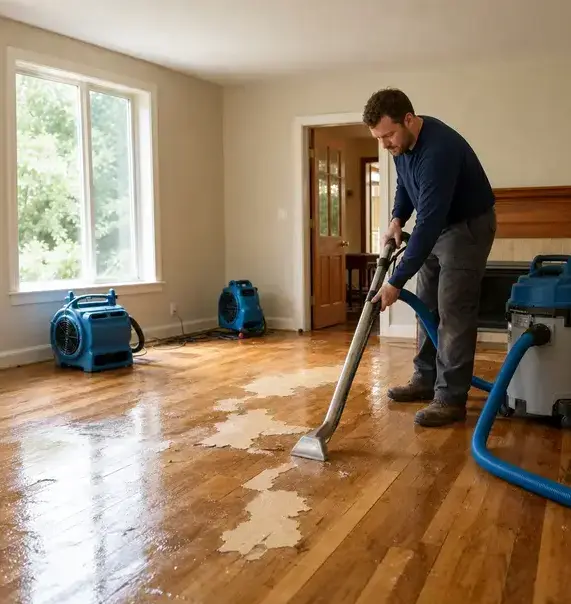
Water Mitigation Matters in Spokane Neighborhoods
Spokane's residential landscape features many homes built with basements—a foundation style common throughout the region given local soil conditions and climate patterns. When spring snowmelt arrives alongside seasonal rain, the combination creates real risk for water intrusion and localized flooding, particularly during rapid thaw periods. Basements in older neighborhoods like South Hill and throughout Spokane can be especially vulnerable during these transitions. Water mitigation is not a luxury for property owners here; it's a necessary response to protect foundations, stored belongings, and the structural integrity that keeps a home safe and livable.
Ritter Water Damage Restoration connects Spokane property owners with independent local water mitigation providers who understand the urgency of standing water and the importance of acting fast. These providers focus on removing water, managing moisture, and preventing secondary damage before it compounds—drying affected areas, ventilating spaces, and monitoring conditions throughout the recovery process. The goal is not just to address what you see today, but to reduce the risk of mold growth, structural rot, and ongoing problems that emerge when moisture lingers. When water damage strikes, reaching out for professional mitigation support positions your property for the best possible recovery outcome.
Why Spokane Property Owners Trust Ritter for Water Mitigation
Fast Water Mitigation Response
Water mitigation requires immediate action to prevent structural damage and mold growth. Ritter connects you with local providers ready to respond quickly, minimizing water exposure and the scope of restoration needed.
Clear Communication Throughout Mitigation
Water mitigation involves complex decisions about extraction, drying, and monitoring. Ritter's network providers explain each step of the water mitigation process, keeping you informed so you understand what's happening and why.
Thorough Water Mitigation Techniques
Effective water mitigation removes standing water, manages moisture, and prepares surfaces for drying. The independent providers Ritter connects you with use comprehensive water mitigation methods to address both visible and hidden moisture damage.
Water Mitigation for Basement-Prone Seasons
Spokane's spring thaw and seasonal moisture patterns create risk for basement water intrusion, particularly in older homes throughout neighborhoods like South Hill. Ritter connects property owners with local water mitigation providers who understand the seasonal flooding risks that affect basements in this region.
How Our Water Mitigation Process Works
From your initial call to the final inspection, we provide a structured, professional, and efficient process to ensure your property is fully restored after Water Mitigation.
Schedule Your Water Mitigation Visit
Contact Ritter to connect with a local water mitigation provider in Spokane who can respond quickly to your water damage emergency. Our network reaches independent restoration specialists ready to assess your property and begin mitigation work right away.
Assess Water Damage and Begin Mitigation
The provider inspects your property to identify water intrusion points, saturation levels, and affected areas—especially critical in Spokane basements vulnerable to spring snowmelt and seasonal moisture. Water mitigation begins immediately: extraction, dehumidification, and ventilation are deployed to prevent further damage and mold growth.
Monitor Drying and Follow Up
The provider monitors moisture levels throughout your property and adjusts water mitigation equipment until safe conditions are restored. Once drying is complete, they document the mitigation work to support your insurance claim and answer questions about next restoration steps.
Dealing with Water Mitigation in Spokane? Get fast, professional help.
Call Now — (509) 461-7766Water Mitigation Services Across Spokane
Spokane's residential landscape presents distinct water mitigation challenges shaped by foundation design and seasonal weather patterns. Many homes throughout the region, particularly in established neighborhoods like South Hill and Browne's Addition, feature basements as part of their foundation systems. This construction type, common to the area's soil composition, creates a specific vulnerability during spring snowmelt and heavy seasonal rainfall—periods when rapid water movement through soil can lead to basement intrusion and localized flooding that demands prompt mitigation response.
Water mitigation in Spokane requires providers who understand how these seasonal pressure points affect basements and the critical window for response. When snowmelt combines with spring rain, or when heavy precipitation accumulates, the risk of water entering foundation areas increases significantly. Early detection and rapid water removal are essential to prevent structural damage, mold development, and long-term foundation issues. Ritter Water Damage Restoration connects Spokane property owners with local restoration providers equipped to handle basement water intrusion and the mitigation steps necessary to protect homes during these high-risk periods.
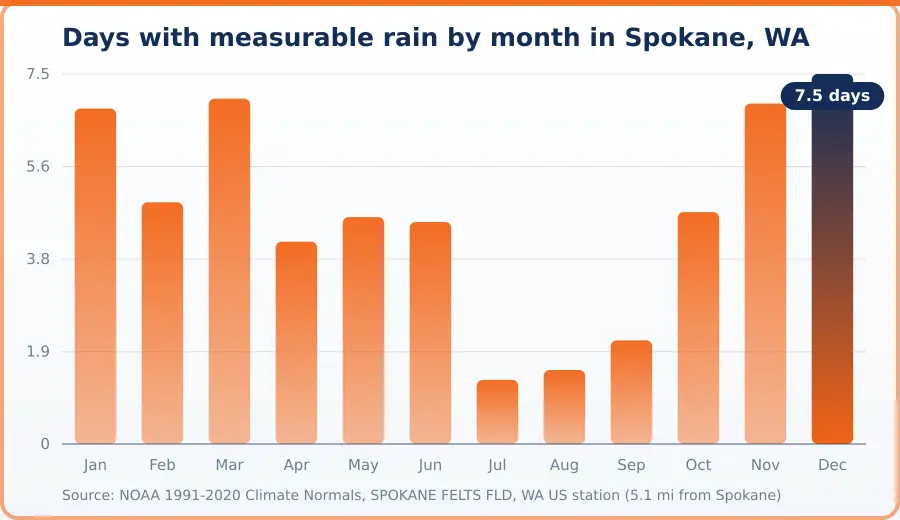
| Period | Days with measurable rain by month (days) |
|---|---|
| Jan | 6.8 |
| Feb | 4.9 |
| Mar | 7 |
| Apr | 4.1 |
| May | 4.6 |
| Jun | 4.5 |
| Jul | 1.3 |
| Aug | 1.5 |
| Sep | 2.1 |
| Oct | 4.7 |
| Nov | 6.9 |
| Dec | 7.5 |
Source: NOAA 1991-2020 Climate Normals, SPOKANE FELTS FLD, WA US station (5.1 mi from Spokane). Retrieved October 4, 2026.
Water Mitigation Through Spokane's Four Seasons
Spring: Snowmelt & Basement Risk
Rapid spring thaw combines with seasonal rain to create peak water intrusion risk in Spokane-area basements. Ritter connects property owners with local restoration providers who respond quickly to identify moisture entry points, extract standing water, and begin drying before structural damage or mold develops.
Summer: Heat & Humidity Control
Warm temperatures accelerate evaporation and moisture retention in enclosed spaces after spring water events. Water mitigation specialists accessible through Ritter use targeted dehumidification and air circulation to remove residual moisture trapped in walls, floors, and foundations throughout summer months.
Fall: Temperature Swings & Condensation
Cooling nights and warmer days create temperature fluctuations that trigger condensation in areas with lingering moisture from earlier seasons. Local providers Ritter connects you with monitor these conditions and adjust ventilation and drying strategies to prevent secondary water damage as weather transitions.
Winter: Freezing & Pipe Protection
Cold snaps can freeze water in pipes and create burst-related damage; meanwhile, ice dams may block drainage. Ritter's referral network links property owners with restoration providers who address both active water damage and implement mitigation steps to reduce winter moisture risks for the season ahead.
Water Mitigation FAQs — Spokane, WA
Water mitigation begins with assessment and water removal from affected areas. The independent provider you're connected with will identify the source, extract standing water using specialized equipment, and document damage for insurance purposes. Initial steps focus on stopping further water intrusion and protecting your property from secondary damage while drying efforts begin.
Water damage requires urgent action. When you contact Ritter Water Damage Restoration, we connect you with local providers in Spokane who understand the time-sensitive nature of mitigation. The independent providers in our network respond promptly to active water emergencies, as delays increase damage and drying time.
Water mitigation pricing depends on the volume of water present, affected area size, water source, and how quickly you respond. Homes in neighborhoods like South Hill or Browne's Addition may face different mitigation scopes based on foundation conditions and accessibility. Discuss specific factors with the local provider you're connected with for an accurate estimate.
Before mitigation begins, move valuables and personal items away from the affected area if it's safe to do so. Shut off electricity to flooded spaces if you can do so safely, and avoid walking through standing water. The independent provider will handle the technical setup of extraction and drying equipment; your role is clearing access and providing information about the water source and timeline.
Maintain gutters and downspouts to direct water away from your foundation, seal foundation cracks, and ensure grading slopes away from your home's perimeter. In areas prone to seasonal water intrusion, consider sump pump installation or foundation waterproofing. Regular inspection during wet seasons helps catch small issues before they require mitigation work.
Spokane's spring snowmelt combined with seasonal rainfall creates conditions where water intrusion becomes more common, particularly in homes with basements. Rapid thaw periods can overwhelm soil drainage and push water toward foundations. Homeowners should prioritize mitigation readiness during these months and act quickly if water appears, as saturation spreads fast in wet soil conditions.
Homeowner Safety Toolkit
Verify Your Spokane, WA Water Damage Restoration Company
Before you hire anyone, use these independent national resources to confirm credentials, standards, and track record.
NADCA
Sets the industry standard for inspecting and cleaning HVAC systems after water damage, so contaminated ductwork doesn't spread moisture through the rest of the house.
Duct & Air StandardsBBB
Look up any restoration company's complaint history, customer reviews, and accreditation status — a free, independent check before you hire.
Check StandingRIA
A national trade association whose member companies agree to a written code of ethics covering honest estimates, safety, and fair billing.
Code of EthicsDealing with Water Mitigation in Spokane, WA? Call (509) 461-7766 for 24/7 help.
Call Now — (509) 461-7766Areas We Serve Near Spokane, Washington

Coverage centres on Spokane, WA and reaches 8 surrounding communities. Response time is what matters most in the hours after a problem is found, so knowing the ground is part of the job.
Spokane, WA Information
Spokane sits at the heart of the Inland Northwest, a city of roughly 230,000 that balances big-region influence with an easy, unhurried pace. Its economy leans on a strong healthcare network, higher education anchors like Gonzaga University and Washington State University Spokane, and a growing base of manufacturing and logistics employers, with Fairchild Air Force Base and the surrounding agricultural economy adding further stability. An affordable cost of living and central location have kept the city steadily growing, drawing new residents and businesses alike.
Walk through neighborhoods like Kendall Yards or the Garland District and you'll feel Spokane's character up close: historic architecture, independent shops, and a community that takes pride in its place between the mountains and the plains.

Photo: Billy Hathorn, CC BY-SA 3.0